The moderate temperature change in Mid August was a welcome break for our greens, tees, and fairways. Plants respond to cooler temperatures by using less energy on transpiration and diverts that energy towards shoot and root growth. The greens start the season with a 6-8 inch root system. They lose half those roots during the heat of the summer. Late summer is a great time to start repairing and rebuilding our root system through cultural practices.
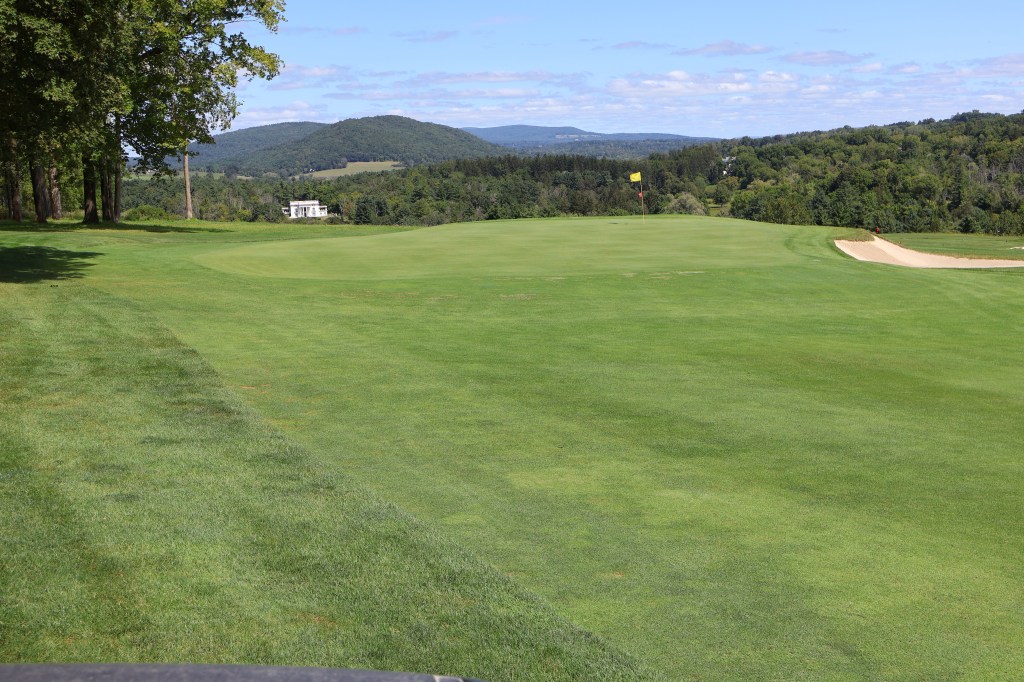
In early September, the greens were aerated with a 3/8th size diameter coring tines. The smaller holes are less disruptive, and the greens healed in a little over a week. This season we implemented a new top-dressing strategy for the greens. We applied sand lightly and often throughout the growing season. This strategy promotes a firmer surface but more importantly dilutes organic matter in the upper profile of the greens. This season long program allowed us to core aerate greens in a less aggressive manner.
The 1st and 5th green expansions were aggressively seeded in August. We had a fair amount of germination in the thinner areas. The expansions have made great strides since last fall when we started. We will continue to seed and plug out some of the thinner areas this fall and next spring. I hope that by next summer we should have a more uniform playing surface.
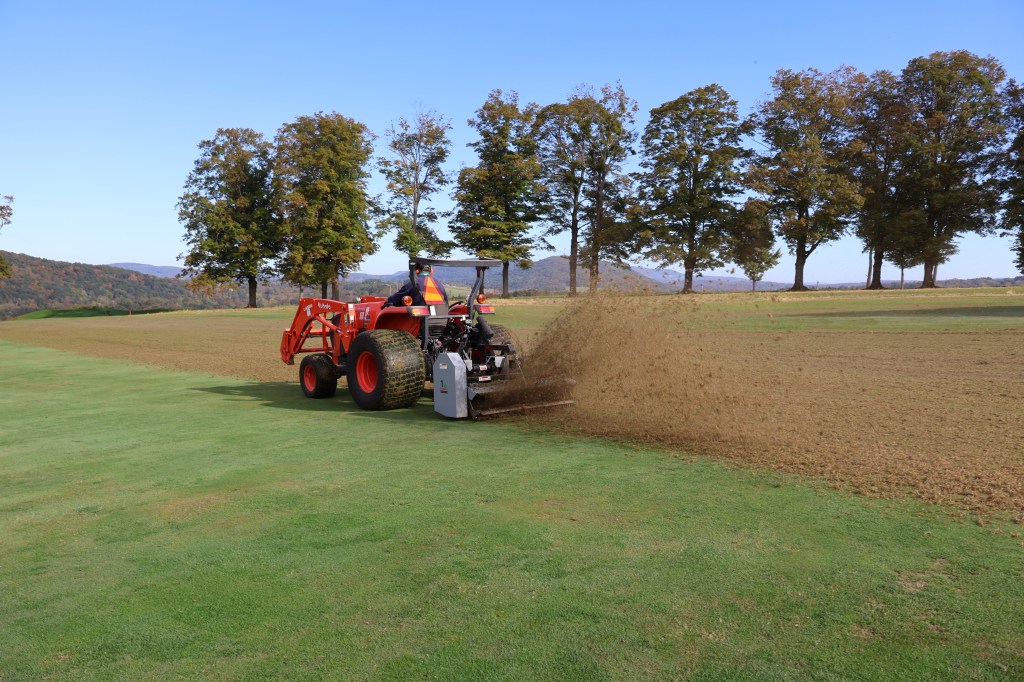
Lately, have been focusing our labor on cultural practices to promote exceptional playing conditions for next season. Tees have been aerated, seeded and fertilized. We have started vertical mowing the fairways and we will finish this week. Please don’t mind the thatch on the fairways when you are out playing. We will have it blown off and ready to play in short order.
The last six weeks of weather has been phenomenal conditions to play golf. I hope this trend continues as we round out the season. See you out in the fairways!
 Sharon Country Club